Experience the Grace and History of Balboa Park
Balboa Park, a cultural treasure of San Diego, exhibits a profound heritage infused with splendid design features. Constructed in 1868, the park reveals impressive structures that manifest its heritage value, especially from the 1915 Panama-California Exposition. Travelers can spot a collection of exhibition spaces and botanical gardens, each delivering unforgettable adventures. Yet, there is so much more to find about the park's concealed attractions and community programs that magnify its lively ambiance.
The Historical Importance of Balboa Park
Balboa Park, established in 1868, represents a major recreational and cultural venue brimming with immense historic importance in San Diego. Initially set aside as a public park, its development accelerated throughout the early 20th century, particularly during the 1915 Panama-California Exposition, which presented San Diego's expansion and aspirations. The exposition spurred the construction of numerous iconic structures, with many representing Spanish Colonial Revival architecture, a defining element of the park.
Over the years, Balboa Park has functioned as a setting for numerous cultural events and festivals, highlighting its role as a public meeting area. The park's rich history is also interwoven with the accounts of indigenous peoples and original inhabitants, illustrating the diverse tapestry of San Diego's past. Today, Balboa Park exists not only as a leisure location but also as a symbol of the city's development through time, embodying its artistic legacy and commitment to public spaces.
Top Cultural Institutions to Visit in Balboa Park
As you explore the vibrant landscape of Balboa Park, you stumble upon an impressive array of museums that cater to diverse interests. The San Diego Museum of Art shines with its extensive collection of European and American art, offering a glimpse into various artistic movements. Meanwhile, the Natural History Museum mesmerizes audiences with its rich displays of fossils, gemstones, and live animal exhibits, perfect for families and nature enthusiasts alike.
For those drawn to science, the Fleet Science Center features participatory displays and an IMAX theater, making study stimulating and enjoyable. The Museum of Photographic Arts features remarkable photographic compositions, while the Timken Museum of Art offers a more intimate experience with its European and American masterpieces. Each museum enriches the cultural tapestry of Balboa Park, affirming that visitors leave with a deeper appreciation for art, science, and history.
Balboa Park: A Collection of Architectural Distinction
Balboa Park showcases a remarkable array of architectural wonders, prominently featuring the iconic Spanish Colonial Revival manner. This singular appearance is enriched by a diverse mix of architectural inspirations that reflect the park's rich history. As visitors explore, they meet constructions that convey histories of cultural value and creative advancement.
Renowned Spanish Colonial Revival
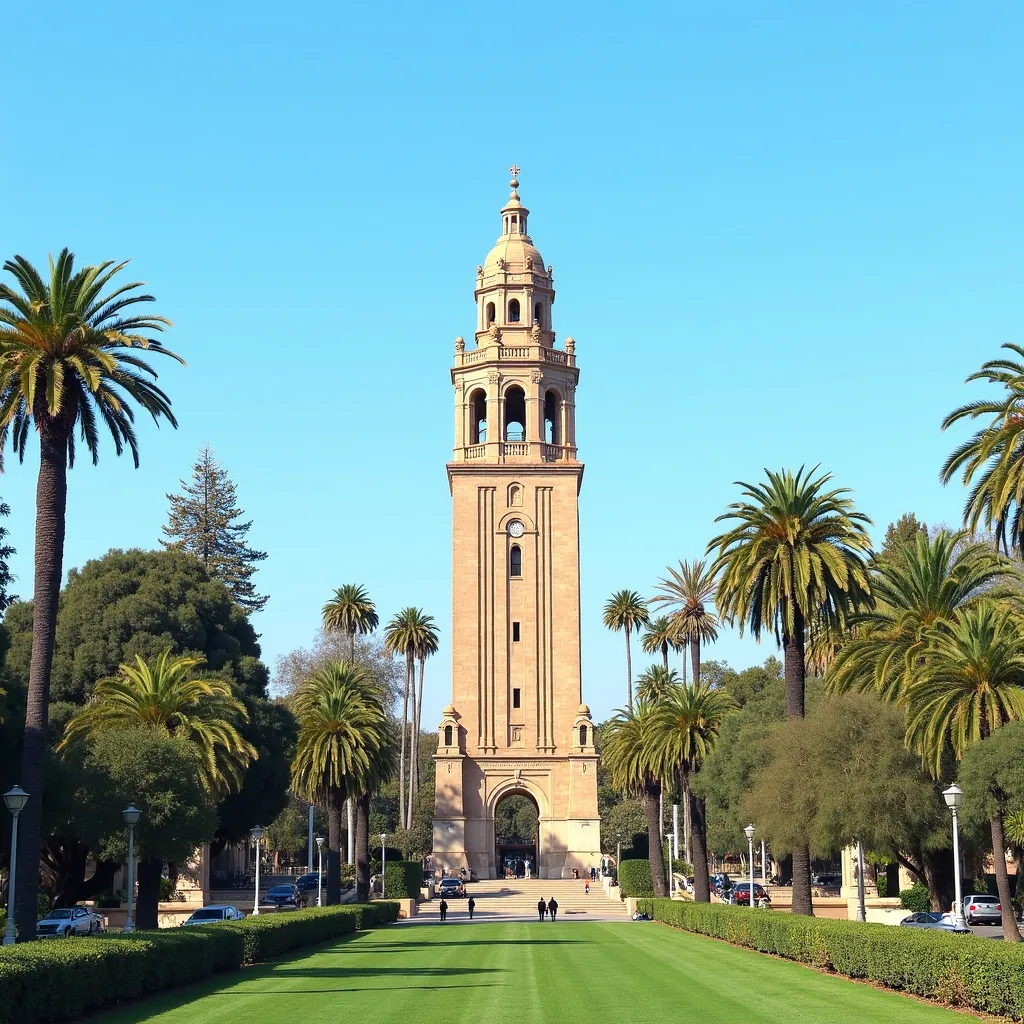
Situated in the core of San Diego, the architectural features of Balboa Park represent the iconic Spanish Colonial Revival style, which developed in the early 20th century. Defined by characteristic arches, tile roofs, and intricate stucco facades, this architectural movement draws on Spain’s rich heritage. Key buildings, such as the California Tower and the Museum of Us, illustrate the ornate details and vibrant colors that define the style. The park’s architecture blends seamlessly with lush gardens and peaceful plazas, offering a picturesque setting that invites exploration. Each building tells a story of cultural significance, reflecting the city’s dedication to preserving its historical roots while celebrating the beauty of Spanish-inspired architecture.
Diverse Building Designs
As guests explore Balboa Park, they encounter a breathtaking array of architectural styles that reflect the diverse heritage elements defining San Diego. The park displays the intricate elements of Spanish Colonial Revival, characterized by its stucco facades and vibrant tilework. In comparison, the refined classical buildings, such as the San Diego Museum of Art, offer a glimpse into European architectural trends. Modern styles are evident in the smooth forms of the Mingei International Museum, while the whimsical designs of the Old Globe Theatre reflect Shakespearean influences. Each structure tells a story, weaving together a abundant collection of history and tradition. This architectural diversity not only improves the park's aesthetics but also strengthens its cultural significance.
Tour Balboa Park's Exquisite Gardens
The spectacular array of gardens within Balboa Park displays a rich spectrum of flora, encouraging visitors to engage themselves in nature's beauty. Among the most notable is the Botanical Building, a Victorian-era structure housing an impressive collection of tropical plants and orchids. Nearby, the Rose Garden features over 1,600 vibrant rose bushes, forming a fragrant oasis that captivates the senses.
The Japanese Friendship Garden, with its serene koi ponds and carefully groomed gravel, provides a tranquil escape, reflecting traditional Japanese landscape design. Meanwhile, the Desert Garden features arid plants from around the world, demonstrating the resilience of life in harsh conditions.
Each garden shares a distinctive narrative, contributing to the park's overall appeal and ecological diversity. Collectively, they offer an rewarding visit, enabling visitors to understand the intricate relationship between nature and artistic expression within this historic urban landscape.
Great Options for Anyone in Balboa Park
Balboa Park offers numerous activities for guests of all ages, guaranteeing a unforgettable experience for everyone. Families can visit interactive exhibits at the San Diego Natural History Museum or admire the fascinating marine life at the Birch Aquarium. Art aficionados can stroll through the San Diego Museum of Art, while children have fun in the vibrant playgrounds positioned around the park.
For visitors pursuing outdoor adventures, the park provides hiking trails and beautiful areas suitable for outdoor meals. The vintage carousel and miniature train deliver nostalgic fun for young visitors. Additionally, seasonal events, such as outdoor concerts and community celebrations, present the park's dynamic public enthusiasm.
Guests can additionally partake in guided tours, which provide insights into the park's substantial historical and architectural heritage. With such a expansive array of activities, Balboa Park genuinely fulfills the tastes and satisfaction of all who walk through its beautiful terrain.
Guidelines for Traversing Balboa Park
Wandering through Balboa Park can often be an enjoyable challenge for first-time visitors. To enhance their experience, it is recommended to begin at the Visitor Center, where guides and materials are readily available. These resources provide useful information into the park's layout and features. Visitors should prioritize their must-see destinations, as Balboa Park weather the park spans over 1,200 acres and provides many gardens, museums, and trails.
Choosing to visit on weekdays can help avoid crowds and allow a more leisurely exploration. Comfortable shoes are a must, considering the park's varied terrain. Using the tram service is a smart way for visitors to travel further efficiently. Additionally, it’s wise to check the park’s calendar for any temporary exhibits or installations. Finally, taking time to wander off the beaten path can yield pleasant surprises, enriching the overall experience at Balboa Park.
Artistic Initiatives and Local Connection in Balboa Park
The cultural events and community engagement at Balboa Park are defined by vibrancy, where diverse programs celebrate art, history, and local traditions. The park functions as a dynamic hub, hosting numerous festivals, performances, and workshops that bring residents and visitors alike. Annual events like the Balboa Park December Nights exhibit the rich cultural tapestry of San Diego, featuring live music, dance, and food from various communities.
Additionally, Balboa Park champions community inclusion through its engagement initiatives, stimulating participation from all communities. Learning programs, often developed alongside local educational facilities, increase awareness of the park's historical value and the creative arts. Via these undertakings, Balboa Park not only safeguards its past but also builds a sense of inclusion among its patrons. This focus on cultural participation renders Balboa Park an essential component of San Diego's essence, improving the lives of those who explore and live in the region.
Popular Inquiries Posed Often
What Are the Park's Business Hours Throughout the Year?
Balboa Park typically opens every day at 9 a.m. and closes at 5 p.m. during winter, prolonging hours to 6 p.m. during spring and summer, with specific attractions having varied schedules throughout the year.
Is There an Admission Cost for Balboa Park?
Balboa Park does not charge an entrance fee for standard entry. Nevertheless, certain designated venues located in the park may require separate admission fees. Guests should review individual institution policies for comprehensive fee details.
Do Animals Get Allowed to Balboa Park?
Pets are generally permitted in Balboa Park, provided they are restrained on a leash. However, some areas and attractions may have restrictions. Visitors ought to examine park guidelines to ensure a pleasant experience for all visitors.
What Places Provide Parking Near Balboa Park?
Parking near Balboa Park can be discovered in multiple lots and along nearby streets. Visitors should search for marked parking zones and try using parking apps for live availability to reduce congestion during rush times.
What Season Works Best for Touring Balboa Park?
The best time to tour Balboa Park is especially on weekdays, notably in the early hours or in the end of the day. These times present fewer crowds, favorable climate, and excellent occasions to navigate its attractions and gardens calmly.